
Course Overview
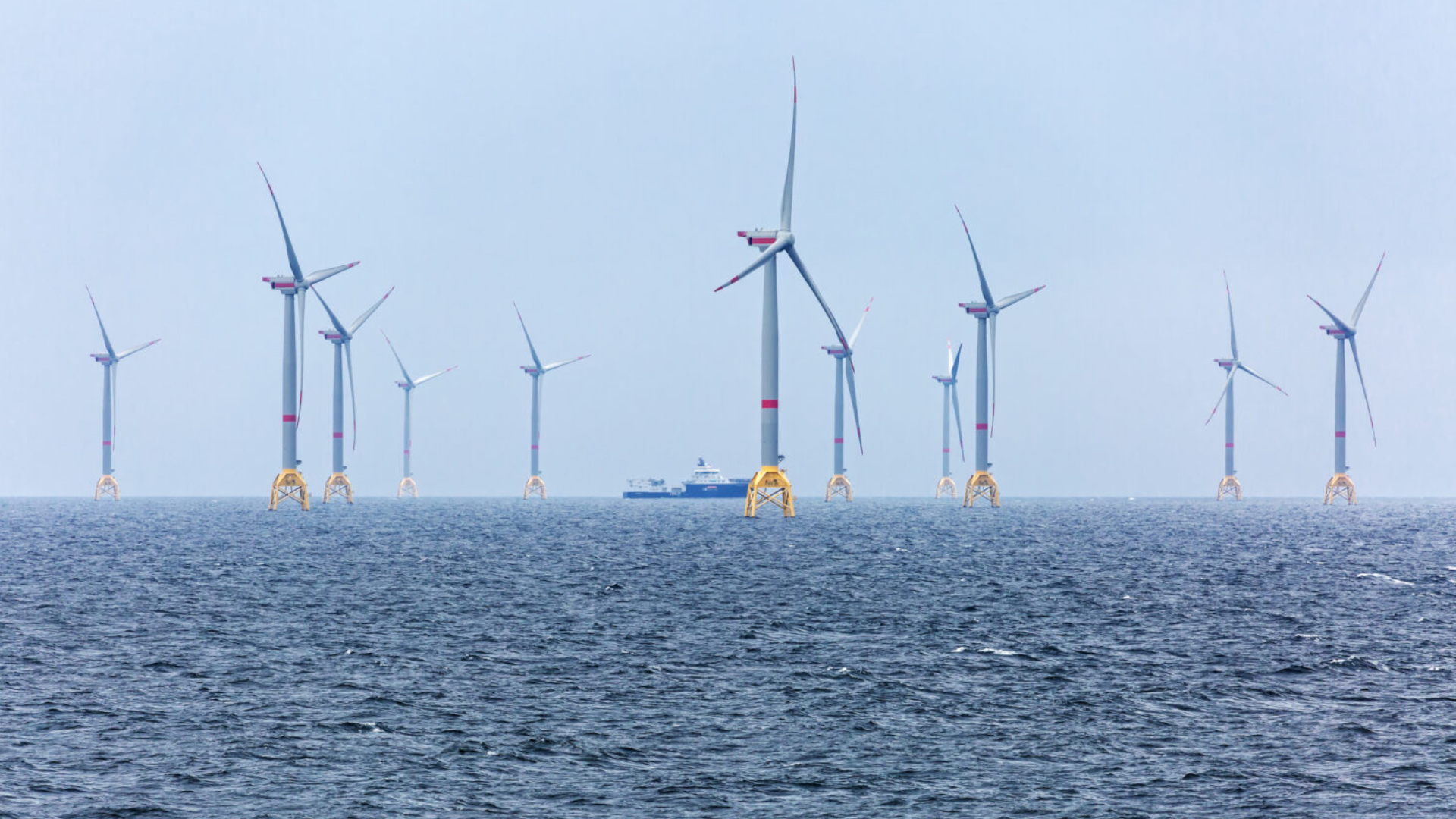
Through the course, you will learn about offshore wind energy and the engineering methods used within this specific field of wind energy. You will touch upon several different subjects relevant to engineers working with offshore wind energy and substructure.
Course Highlights
During the course, you will be working with the following:
- Offshore wind turbines and wind farms
- Overview of offshore design codes like IEC 61400-3-1
- Calculation of wave loads in linear regular and irregular waves by the Morison equation
- Engineering methods for computation of rotor loads
- Offshore environmental conditions – design basis Wakes
- Substructure types – monopile, jacket, gravity based – and their relative strengths
- Design methods for monopiles
- Floating wind turbines (technology, modelling etc.)
- Soil models
- Cost of offshore wind energy
Video Overview
MAIN GOAL
Learning Outcomes
After completion of this course, you will gain the ability to:
- + Describe the main elements of offshore wind turbine systems and the differences to land based turbines.
- + Be familiar with the content of the offshore turbine design standard IEC 61400-3.
- + Calculate a force time series from linear irregular waves.
- + Apply simplistic rotor load time series as part of a fatigue calculation and understand the concept of aerodynamic damping.
- + Explain the basics of wake effects inside offshore wind farms.
- + Describe the typical foundation types for bottom-fixed offshore wind turbines and decide on foundation types (floating, jacket, monopile).
- + Explain the basic dynamics of bottom fixed offshore wind turbines and the method for fatigue calculations.
- + Apply the elements of a design basis together with simplified models for conceptual design of a substructure.
- + Determine the natural frequency for an offshore wind turbine support structure using approximate formulas.
- + Comprehend the economics of levelized cost of energy.
Meet Your Instructors
Professor
Admissions
Entry Requirements
- + B.Sc. or B.Eng. degree or higher and at least, two years of relevant working experience.
- + We strongly recommend that you have mathematics and programming skills equivalent to B.Sc. or B.Eng. level or higher.
- + If you have few or no programming experiences, we recommend following our Scientific Programming for Wind Energy course as early as possible.
- + You will need a PC with a stable internet connection to follow this online course.
Teaching and Assessment Methods
- + Video lectures
- + Exercises
- + Quizzes
- + Reading material
- + Live Q&A sessions
- + Online exam
Application Deadline: See link to institution page below.
Fees & Funding
Tuition Fees
Visit institution page for information on fees and application deadlines.
Click here to visit institution page
Course Info
Contact Henrik Bredmose for any additional information relating to this course.