

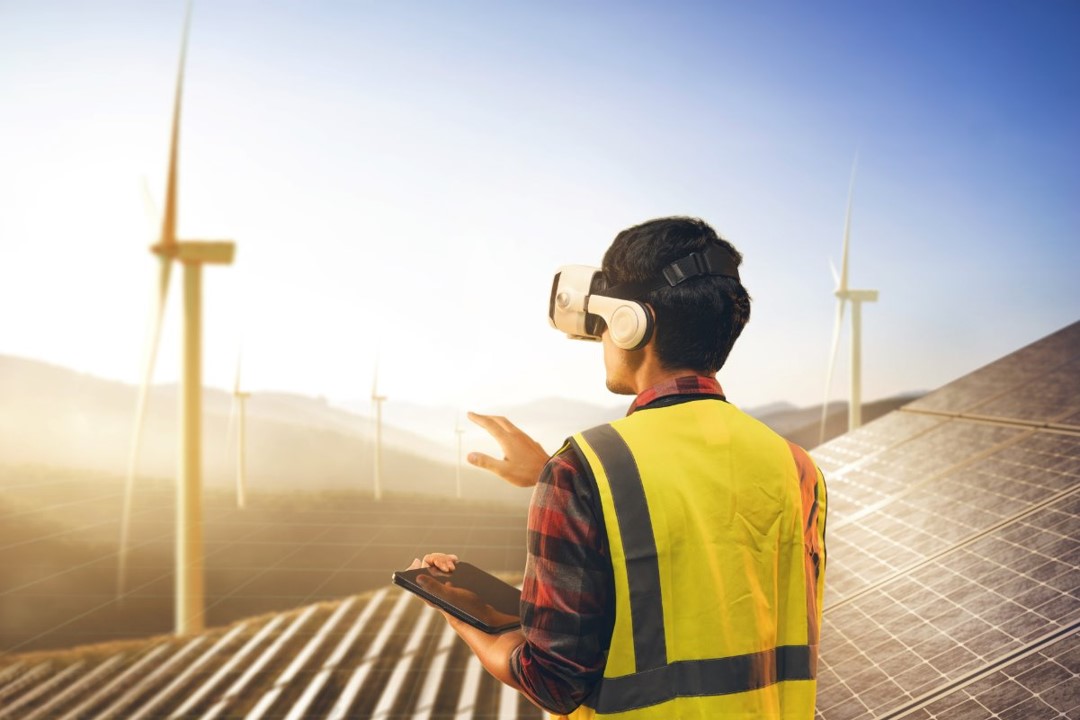
Course Overview
The MSc in Renewable Energy Systems is designed to equip students with the skills and expertise to tackle the global energy crisis through sustainable technologies. Covering solar, wind, hydro, biomass, and geothermal energy, this program blends theory, hands-on projects, and industry collaboration to prepare students for leadership roles in the renewable energy sector.
Why Choose This Program?
- + Gain expertise in cutting-edge renewable energy technologies
- + Learn from industry professionals & researchers
- + Hands-on lab work, field visits, and real-world projects
- + Work placement opportunities with leading energy firms
- + Research-driven master's thesis in a chosen specialization
Program Structure
Semester 1 (Foundation & Core Concepts)
Principles of Renewable Energy Systems – Introduction to global energy systems & policies.
Solar & Photovoltaic Systems – Design and efficiency of solar energy technologies.
Wind Energy Technology & Applications – Wind turbine dynamics & grid integration.
Energy Storage & Grid Management – Smart grids, batteries, and hydrogen storage solutions.
Semester 2 (Advanced Applications & Specializations)
Hydro & Ocean Energy Systems – Hydroelectric power & tidal wave energy.
Bioenergy & Waste-to-Energy Technologies – Sustainable biomass energy production.
Sustainability & Energy Policy – Legal frameworks, incentives & international energy markets.
Industry Internship / Work Placement – Hands-on experience with energy firms.
Semester 3 (Master's Research Project)
A research-based dissertation in collaboration with academic and industry mentors.
Learning Outcomes
Upon completion, graduates will be able to:
- + Analyze & Design sustainable energy systems
- + Optimize energy performance in real-world applications
- + Understand policy frameworks for renewable energy integration
- + Develop new innovations in clean energy technology
- + Manage large-scale energy projects from concept to implementation
Career Opportunities
Graduates can pursue roles such as:
Renewable Energy Engineer
(Solar, Wind, Biomass, Hydro)
Energy Systems Analyst
Sustainability Consultant
Grid Integration Specialist
Project Manager (Clean Energy Sector)
Potential Employers
Siemens Energy
Tesla Energy
Ørsted Wind Power
European Energy Agency
National Renewable Energy Labs
Meet Your Instructors
Senior Researcher
Senior Researcher
Senior Researcher
Senior Researcher
Senior Researcher
Senior Researcher
Senior Researcher
Admissions
Entry Requirements
A Bachelor's degree (2:1 or higher) in Engineering, Science, or a related field.
Applicants with relevant work experience may be considered.
English language proficiency (IELTS 6.5 or equivalent).
How to Apply
Complete the Online Application Form
Submit Required Documents
Academic Transcripts
Statement of Purpose
CV / Resume
2 Letters of Recommendation:
- Application Review & Interview (if applicable)
- Offer Letter & Enrollment
Application Deadline: July 31, 2025
Fees & Funding
Tuition Fees
EU Students: €9,500/year
Non-EU Students: €16,500/year
Scholarships Available
- + Green Future Scholarship – Merit-based financial aid for top applicants.
- + Women in Renewable Energy – Supports female students in STEM fields.
- + Industry-Sponsored Fellowships – Partnership grants from energy companies.
Career Prospects
Career Opportunities
Graduates can pursue roles such as:
Renewable Energy Engineer
(Solar, Wind, Biomass, Hydro)
Energy Systems Analyst
Sustainability Consultant
Grid Integration Specialist
Project Manager (Clean Energy Sector)
Potential Employers
Siemens Energy
Tesla Energy
Ørsted Wind Power
European Energy Agency
National Renewable Energy Labs