

Course Overview
The course deepens knowledge of automation and control principles in modern wind energy systems, covering mechanical, hydraulic, and electrical subsystems, as well as integrated wind farm management. Students learn to model, analyze, and implement reliable and efficient control solutions using advanced industrial methods. Key topics include turbine aerodynamics and dynamics, wind modelling, generators and converters, passive and active control strategies (pitch, yaw, torque, stall), advanced controllers (adaptive, robust, LQR/LQG), and integration with floating platforms. The course also covers safety systems, condition monitoring, SCADA, and cybersecurity in wind turbine control. Practical classes involve simulation, laboratory testing, and implementation of control algorithms for wind turbines and generators.
MAIN GOAL
To provide students with theoretical foundations and practical skills in modelling, analysis, and implementation of advanced control and automation systems in modern wind energy technologies, including offshore applications.
Learning Outcomes
On completion of this module the learner will gain:
- + Ability to model and simulate wind turbine subsystems and control systems.
- + Competence in applying advanced control strategies (adaptive, robust, LQR/LQG).
- + Skills in designing and testing generator control algorithms (DFIG, synchronous, asynchronous).
- + Awareness of SCADA, CMS, and cybersecurity aspects in wind farm operation.
MEET YOUR INSTRUCTORS
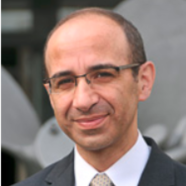
Course Co-ordinator
Admissions
Entry Requirements
- + Basics of automation, electrical engineering, and electronics at BSc level.
Teaching and Assessment Methods
- + Lectures: 15h
- + Exercises: 15h
- + Laboratories: 15h
- + Assessment: Assessment based on lab reports (33%), exercises (33%), and lecture test (34%).
Application Deadline: Check institution page using link below
Fees & Funding
Tuition Fees
Visit institution page for information on fees and application deadlines.
Click here to visit institution page
Practical Notes
Contact Hossein Ghaemi for any additional information relating to this course.