
Course Overview
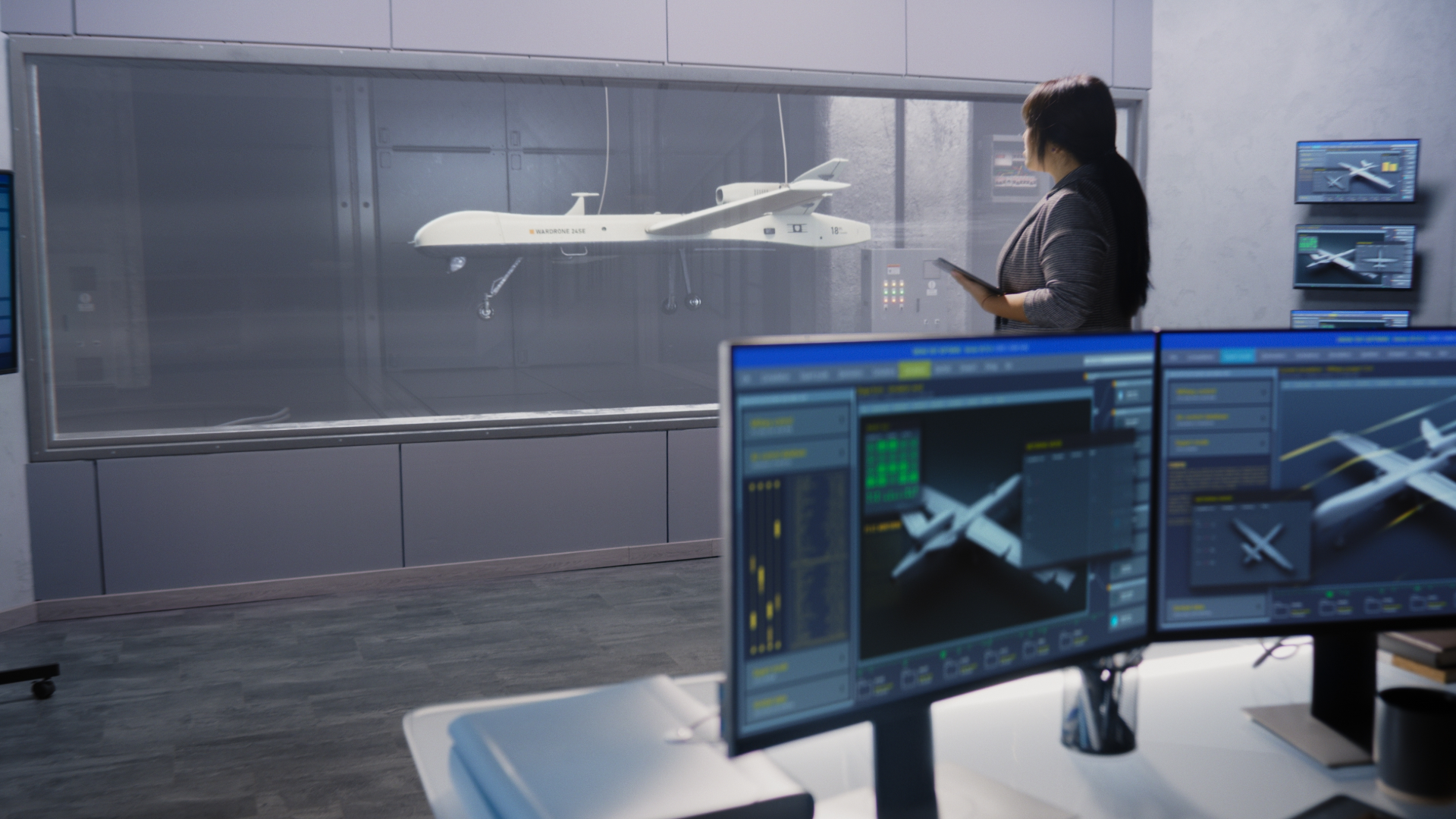
The course introduces students to the fundamentals of aerodynamic loads acting on wind turbine rotors and their implications for turbine design and operation. It covers airfoil and blade aerodynamics, flow topology, wake structures, and unsteady aerodynamic effects in two- and three-dimensional flows.
Course Highlights
Students learn the Blade Element Momentum (BEM) method for modelling aerodynamic forces, as well as flow control techniques to improve aerodynamic efficiency. The course also addresses support structures, hydrodynamic loads, hydrostatics of floating structures, and environmental interactions with offshore systems. Laboratory classes provide hands-on training in analyzing aerodynamic and hydrodynamic loads on wind turbine components and floating offshore platforms.
MAIN GOAL
To provide students with theoretical knowledge and practical skills in fluid dynamics and aeroelasticity for the analysis and design of wind turbines and offshore support structures.
Learning Outcomes
After completion of this course, you will be able to:
- + Understanding of aerodynamic loads on airfoils, blades, and turbines.
- + Ability to apply the BEM method for aerodynamic modelling.
- + Competence in analyzing unsteady aerodynamic and hydrodynamic effects.
- + Skills in evaluating environmental interactions with offshore support structures.
Meet Your Instructor

Professor
Admissions
Entry Requirements
- + Background in fluid mechanics and classical mechanics.
Teaching and Assessment Methods
- + Lectures (15h)
- + Laboratories (15h)
- + Assessment based on laboratory work (50%)
- + Lectures (50%)
Application Deadline: TBC
Fees & Funding
Tuition Fees
TBC