
Energy Integration & Storage
Course Overview
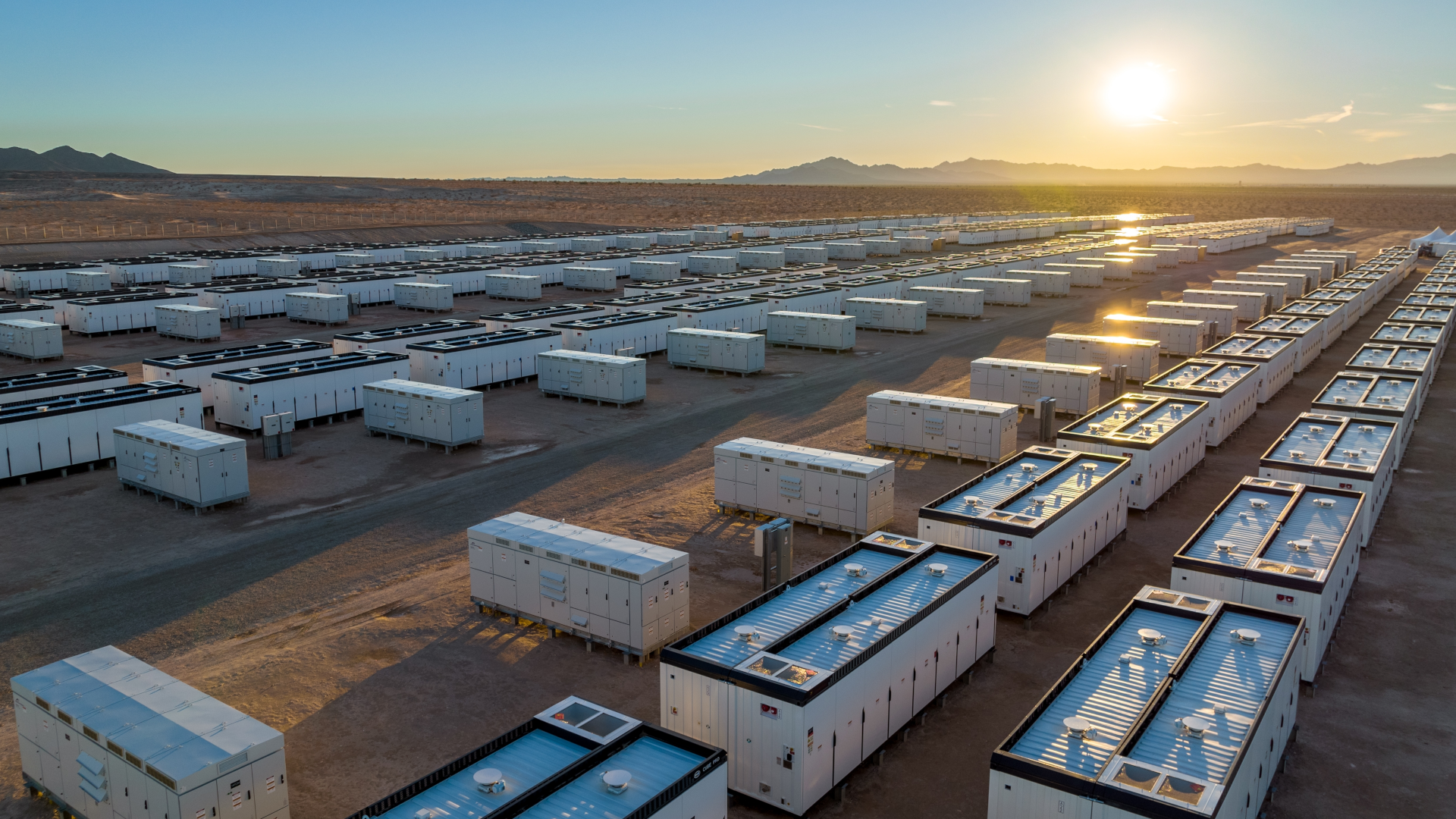
How do we get more renewable energy onto the grid—and what stands in the way? This module explores the challenges and solutions of integrating clean power into national electricity systems. You’ll compare traditional generation with renewables, uncover the technical limits of both, and see how grid operators keep supply and demand in balance when sources like wind and solar are unpredictable. The module will cover everything from frequency response and ancillary services to grid interconnections and the growing role of demand-side management in homes, industry, and data centres. You’ll also dive into the critical role of energy storage—examining different technologies, how they work, and their strengths and weaknesses. Along the way, you’ll explore smart grids, decentralised systems, and future electricity mixes, guided by real-world data and case studies. By the end, you’ll have a clear view of how renewables, storage, and smarter grid strategies can work together to make clean power more reliable and accessible.
MAIN GOAL
The aim of this module is to develop students’ knowledge and understanding of the barriers, challenges and solutions to the integration of renewable generation into the national grid.
Learning Outcomes
On completion of this module the learner will/should be able to:
- + Describe and explain barriers and challenges to the integration of renewable energy sources on the national grid.
- + Analyse the role of demand side management, grid interconnection & energy storage in light of the intermittent and nondispatchable nature of renewable electricity sources.
- + Explain the operation of a range of energy storage systems and appraise their technical characteristics and limitations.
- + Evaluate the technical impacts of strategies to increase integration of renewable energy sources.
MEET YOUR INSTRUCTORS

Lecturer
Admissions
Entry Requirements
Knowledge of renewable energy systems. Minimum Bachelor Degree and english language competence (equivalent to IELTS6.5)
Teaching and Assessment Methods
- + Lectures: Introduce theoretical frameworks and engineering principles.
- + Seminars: Student-led discussions on emerging trends and case studies.
- + Field Visits: Site visits for practical insights.
- + Independent Study: Research and practical exploration of wind energy systems.
- + 100% Continuous Assessment
Fees & Funding
Tuition Fees
Contact TUS for information on discounted fees.